By: Paul Goldberg | Senior Political Correspondent | LGBT Politics USA
LAS VEGAS, NV — (June 18, 2026) — A growing number of LGBTQ consumers are adjusting their shopping habits based on how they perceive corporate commitments to diversity, equity, and inclusion (DEI), according to a new report from the Human Rights Campaign Foundation.
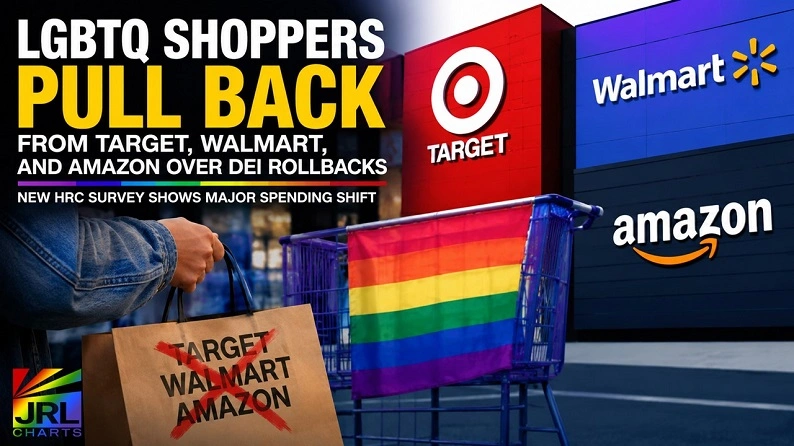
The findings come from the organization’s Pride in the Marketplace 2026 Report, which found that nearly 72% of LGBTQ respondents reported purchasing fewer products from companies they believe have scaled back diversity and inclusion efforts. Nearly 70% said they had intentionally avoided purchasing from those companies at least some of the time.
Now Trending on LGBT Business Finance News on JRL CHARTS:
• Millions of Working Americans Are Going Hungry—and Nobody Is Talking About It
• LGBTQ Business Owners Join Growing Coalition Against Bank Account Closures
• China’s Rising Yuan Could Hit LGBTQ Businesses Worldwide
• Project 2025 Already 50% Complete: Inside Trump’s Plan Reshaping America
• U.S. Banking Rule Ends ‘Reputational Risk’ Barrier, Expands Access for Legal Businesses
• LGBTQ Corporate Participation Plunges 65% in 2026 as DEI Retreat Reshapes Business Landscape
The report highlights how consumer values continue to influence purchasing behavior among LGBTQ Americans, a demographic that represents significant economic influence within the United States.
Survey Highlights Growing Consumer Activism
According to the survey, respondents most frequently identified Target, Walmart, Amazon, Chick-fil-A, and Home Depot as companies where they had reduced spending due to perceived changes in diversity and inclusion commitments.
At the same time, respondents reported increasing purchases from companies they viewed as maintaining strong commitments to inclusion. Costco, Apple, Ben & Jerry’s, Delta Air Lines, and Kroger were among the brands most often cited as benefiting from increased LGBTQ consumer spending.
The National LGBT Chamber of Commerce (NGLCC) has estimated that LGBTQ consumers contribute more than $1.7 trillion annually to the U.S. economy, underscoring the purchasing power of the community.
HRC: Consistency Matters
Human Rights Campaign President Kelley Robinson said the findings demonstrate that consumers are increasingly making purchasing decisions based on whether companies remain consistent with their publicly stated values.
“Consumers are rewarding companies they see stand by their values and turning away from those who retreat under pressure,” Robinson said in a statement released alongside the report.
HRC representatives also emphasized that consumer trust is often built over years and can be influenced as much by public perception as by internal corporate policies.
Corporate Equality Index Participation Declines
The report arrives as participation in the Human Rights Campaign’s Corporate Equality Index has dropped sharply.
According to HRC data, Fortune 500 participation in the Corporate Equality Index fell from 377 companies in 2025 to 131 companies in 2026, representing a significant decline in engagement with one of the nation’s most widely recognized workplace equality benchmarks.
The shift reflects a broader national debate surrounding DEI programs as companies face competing political, legal, and consumer pressures.
Retailers Face Pressure from Multiple Directions
Target has become a particularly visible example of the challenges companies face when navigating social and political expectations from consumers.
Various market analyses have shown that consumer reactions have come from multiple directions in recent years, with both conservative and progressive shoppers expressing dissatisfaction over different corporate decisions related to Pride merchandise and diversity initiatives.
Despite those challenges, Target recently reported positive comparable sales growth for the first time in more than a year.
Meanwhile, Costco has continued to publicly defend its diversity initiatives, with shareholders recently rejecting a proposal that would have required additional review of the company’s DEI programs.
Amazon Responds
Among the companies referenced in the survey, Amazon provided a statement indicating that it remains committed to creating opportunities for employees while serving a diverse customer base.
At the time the original report was published, Target, Walmart, Chick-fil-A, and Home Depot had not publicly responded to requests for comment regarding the survey findings.
Industry Impact
The findings suggest that LGBTQ consumers continue to view purchasing decisions as an extension of civic and social engagement. Whether that trend accelerates or stabilizes remains to be seen, but the data indicates that corporate reputation and perceived authenticity remain influential factors in consumer behavior.
Editor’s Note: This story was originally reported by Colleen Cabili of Quartz Media Network, which first highlighted the Human Rights Campaign Foundation’s Pride in the Marketplace 2026 findings and included Amazon’s response regarding its diversity and workforce initiatives.
Stay with JRL CHARTS LGBT Politics USA for continuing coverage of LGBTQ consumer trends, corporate equality policies, workplace inclusion initiatives, and the economic issues shaping the LGBTQ community across America.
His reporting focuses on federal court rulings, legislative developments, international human rights issues, and government actions impacting LGBTQ communities worldwide.
With nearly two decades of experience, Goldberg is recognized for his balanced analysis, investigative insight, and commitment to accurate, fact-based journalism that informs readers on the political forces shaping equality and justice.
- CVS Hit with $315 Million Opioid Settlement — What LGBTQ+ and Cancer Patients Need to Know - October 17, 2026
- LGBTQ+ Support Vanishes from Alabama University Website as Scholarship Questions Mount - October 17, 2026
- GameStop Hit With Federal Lawsuit After Gay Employee Reports Threats — Then Gets Fired - October 16, 2026