By Paul Goldberg – Senior Correspondent | LGBT Business Finance News
NEW YORK, NY — (October 26, 2026) — Wall Street is sending investors two dramatically different signals as U.S. equities continue posting gains while the bond market struggles under the weight of rising interest rates, persistent inflation concerns, and mounting corporate borrowing costs.
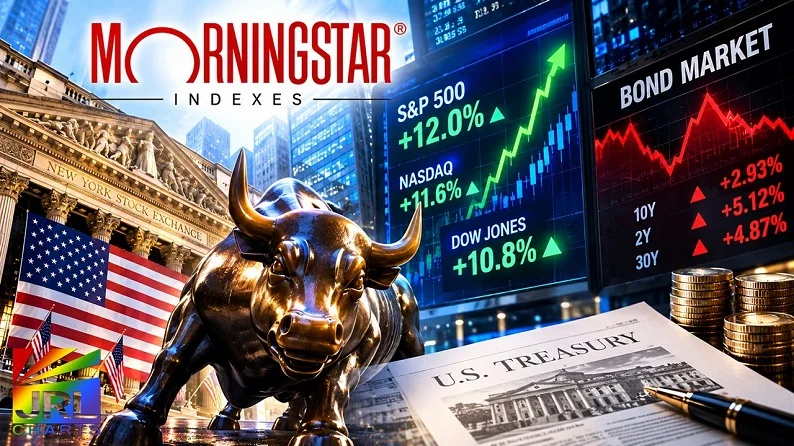
New research from Morningstar reveals that U.S. stocks advanced approximately 12% through September 2026, even as fixed-income investments suffered widespread third-quarter losses.
Trending LGBTQ Business and Politics News on JRL CHARTS:
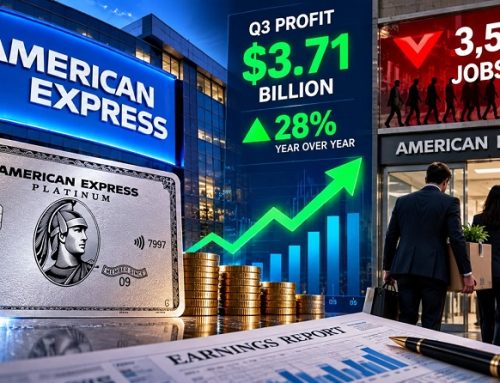
• American Express Profits Surge 28% — Then Comes the 3,500 Job Cut Bombshell
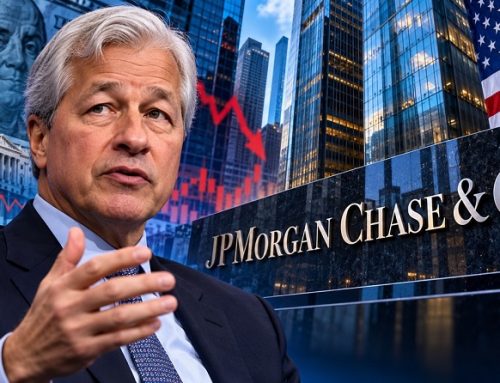
• Jamie Dimon Sounds the Alarm: 5 Economic Threats That Could Shake America
• Oil Prices Explode to $117 a Barrel as Iran War Sends Shockwaves Through U.S. Economy
• LGBTQ Nonprofit Makes $3 Million Move to Transform Downtown Buffalo
• Breaking Now on LGBT Business Finance News
The divergence is raising important questions about market stability, corporate financing, and the outlook for businesses heading into the final months of 2026.
U.S. Stocks Defy Rising Interest Rates
According to Morningstar’s October 23 Markets Observer analysis, the U.S. stock market gained approximately 1% during the third quarter, extending its year-to-date advance to roughly 12%.
Corporate earnings and continued economic resilience helped support equities despite higher borrowing costs.
However, gains were uneven across the market.
Energy stocks surged approximately 15% during the quarter as oil prices recovered, while utilities and industrial companies each declined roughly 12%.
Smaller publicly traded companies also struggled, with U.S. small-cap stocks losing 5.6% during the period.
Bond Markets Face Mounting Pressure
The fixed-income market presented a markedly different picture.
Morningstar reported that rising Treasury yields drove losses across nearly every major bond category during the third quarter, with leveraged loans providing a notable exception.
The Federal Reserve increased its benchmark interest rate by 25 basis points in September, adding pressure to bond prices and financing conditions.
Meanwhile, the inflation-adjusted 10-year Treasury yield climbed to 2.93% by the end of September, compared with less than 2% at the beginning of 2026.
Higher yields generally translate into lower prices for existing fixed-rate bonds and can increase financing expenses for companies seeking new loans or refinancing existing debt.
Wall Street’s AI Boom Creates New Market Risks
Artificial intelligence remains another major factor shaping investor sentiment.
Morningstar’s October 23 index analysis highlighted unusually high concentration among the largest U.S. publicly traded companies.
The research found that technology-driven market performance continues to create significant differences between companies benefiting from AI investment and businesses operating outside that growth cycle.
For investors, the concentration raises questions about diversification and the vulnerability of broad market indexes to reversals among their largest holdings.
What Higher Borrowing Costs Mean for American Businesses
The implications extend beyond institutional investors and Wall Street trading desks.
Higher interest rates can influence commercial real estate financing, business expansion, inventory purchases, equipment leasing, and working-capital loans.
For independent retailers and smaller companies, financing expenses may become particularly important when determining whether to expand operations or postpone capital investments.
Large corporations with substantial cash reserves may be better positioned to absorb higher borrowing costs, while heavily indebted businesses can face greater refinancing challenges.
These pressures are especially relevant to businesses operating on narrow margins or depending on borrowed capital to support growth.
Investors Turn Their Attention to the Federal Reserve
The Federal Reserve’s future policy decisions remain central to the market outlook.
Morningstar’s October research anticipates another potential interest-rate increase before the end of 2026, followed by rate reductions beginning in the second half of 2027.
Those projections are forecasts rather than confirmed policy decisions and remain subject to changing economic conditions.
For now, the contrast between strong equity performance and weaker bond returns illustrates the complexity of today’s financial environment.
JRL CHARTS LGBT Business Finance News continues tracking Wall Street, corporate finance, economic policy, and financial-market developments affecting businesses, investors, and the broader economy.
His reporting focuses on federal court rulings, legislative developments, international human rights issues, and government actions impacting LGBTQ communities worldwide.
With nearly two decades of experience, Goldberg is recognized for his balanced analysis, investigative insight, and commitment to accurate, fact-based journalism that informs readers on the political forces shaping equality and justice.
- Stocks Up 12%, Bonds Under Pressure — Morningstar Reveals Wall Street’s Growing Divide - October 26, 2026
- American Express Profits Surge 28% — Then Comes the 3,500 Job Cut Bombshell - October 26, 2026
- Jamie Dimon Sounds the Alarm: 5 Economic Threats That Could Shake America - October 25, 2026