By Paul Goldberg – Senior Correspondent | Breaking Military News
KUWAIT CITY, KUWAIT — (November 18, 2026) — The escalating military confrontation between Iran and the United States entered another dangerous chapter Wednesday as Tehran launched drone attacks targeting an American military installation in Kuwait while Bahrain reported additional Iranian aerial assaults.
The renewed attacks followed a U.S. fighter jet strike against an Iranian Revolutionary Guard missile launch site on Qeshm Island in the strategically vital Strait of Hormuz on Tuesday.
The developments challenge the Trump administration’s portrayal of a conflict approaching its conclusion, with American military installations and regional allies once again facing direct threats.
Trending Breaking Military News Coverage on JRL CHARTS:
• Trump Explodes Over 60 Minutes Iran War Bombshell as U.S. Soldiers Expose Deadly Security Failures
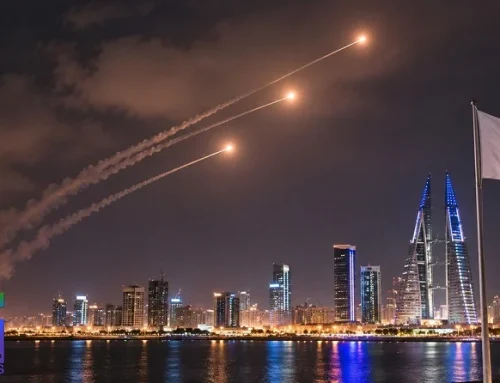
• Iran Launches Surprise Attack on Bahrain as U.S. Military Airbase Targeted
• Hegseth’s Military Purge Strikes Again as Navy Quietly Removes Another Female Commander
• Pentagon Doubles Hostile Fire Pay to $450—What It Means for Gay and Lesbian Troops in Combat
• Hegseth Wants a ‘Fortress America,’ Robot Warfare and Fewer Generals
• Breaking Military News involving LGBTQ Service Members and Security
Although U.S. officials maintain that American interests suffered no impact, Iran has publicly identified U.S. military defense systems as targets of its latest operations.
Iran Targets American Patriot Defense Systems in Kuwait
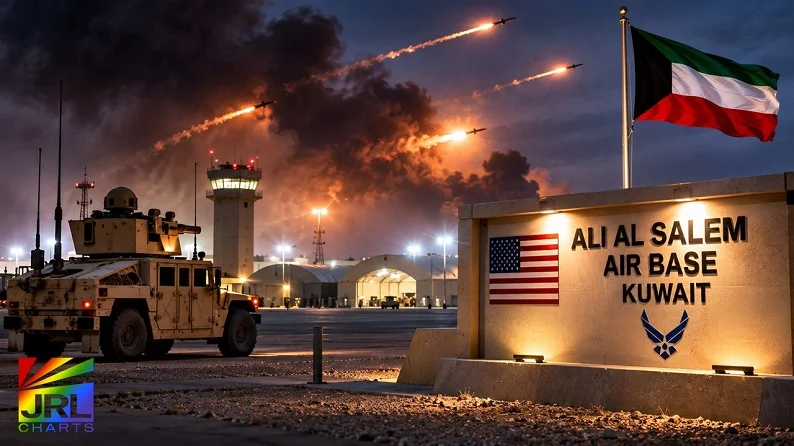
Iran’s military announced that its forces targeted Patriot air defense systems and drone and missile launch infrastructure at Ali Al Salem Air Base in Kuwait.
The installation hosts American military personnel and supports U.S. operations throughout the Persian Gulf.
Kuwaiti authorities confirmed that their air defense systems responded to incoming drones, reporting that the attacks were intercepted.
Iran’s announcement identifies the military equipment it intended to strike, but it does not independently establish that those systems were damaged or destroyed.
A U.S. defense official told The Hill that the attacks had no impact on American interests.
However, the absence of confirmed damage does not diminish the significance of Iranian forces attempting to strike military infrastructure associated with the United States.
U.S. Fighter Jet Strikes Iranian Missile Site on Qeshm Island
Wednesday’s attacks followed an American military operation against an Islamic Revolutionary Guard Corps missile launch facility on Qeshm Island.
According to U.S. officials, a fighter aircraft deployed precision-guided weapons against the site Tuesday in response to Iranian military activity threatening American personnel and equipment.
Washington characterized the operation as an act of self-defense.
Iran, meanwhile, has portrayed its attacks against American military facilities across the Gulf as retaliation for U.S. strikes and surveillance operations.
The competing explanations illustrate how both governments continue to justify military operations as defensive while the cycle of retaliation threatens to intensify.
Bahrain Faces Fourth Iranian Attack in Six Days
Bahrain, home to the headquarters of the U.S. Navy’s Fifth Fleet, has also experienced a renewed wave of Iranian military activity.
According to Al Jazeera’s November 18 reporting, the kingdom has faced four Iranian attacks within six days.
Bahraini defense authorities reported intercepting additional aerial threats early Wednesday.
The attacks followed earlier incidents involving American radar and military facilities in the kingdom.
The renewed confrontation builds upon developments previously reported by JRL CHARTS on November 15, when Iranian attacks prompted emergency warnings across Bahrain.
The latest incidents demonstrate that the military confrontation has not remained confined to a single installation or isolated exchange.
Al Jazeera: Iran Signals It Will Not Accept the Military Status Quo
Al Jazeera’s reporting Wednesday highlighted a broader strategic issue confronting Washington.
Iran appears increasingly unwilling to accept the combination of American military pressure, economic sanctions and restrictions on its maritime trade without responding.
The U.S. blockade targeting Iranian ports has placed substantial pressure on Tehran’s economy.
Yet the latest attacks suggest that economic pressure alone has not prevented Iran from continuing military operations against American-linked facilities.
Analysts cited by Al Jazeera warned that the absence of a negotiated political settlement could leave both sides trapped in a prolonged confrontation.
This raises a critical question: Can Washington maintain military and economic pressure without provoking further Iranian attacks across the Persian Gulf?
Trump Says Conflict Is Effectively Over as Military Threats Continue
President Donald Trump has repeatedly suggested that the war is nearing its conclusion.
However, the latest attacks against American-linked installations in Kuwait and Bahrain demonstrate that military hostilities remain active.
The distinction is important.
American defense officials have reported successful interceptions and no confirmed impact on U.S. interests from Wednesday’s attacks.
But successful defensive operations are not the same as an end to the conflict.
Iran continues to demonstrate its willingness to launch drones toward military installations associated with the United States.
Meanwhile, American forces have demonstrated their readiness to conduct additional strikes against Iranian military infrastructure.
Without a diplomatic agreement or sustained cessation of hostilities, further retaliation remains a serious possibility.
Strait of Hormuz Remains a Critical Flashpoint
The Strait of Hormuz continues to occupy a central position in the confrontation.
The narrow maritime passage connects Persian Gulf energy producers with international markets and remains strategically important to global oil transportation.
Military operations around Qeshm Island, Iranian ports and nearby shipping routes increase the potential consequences of another escalation.
Attacks against commercial shipping and military installations also raise concerns about maritime security and the possibility of additional regional involvement.
For American forces stationed throughout the Gulf, the continuing confrontation underscores the challenges of protecting personnel, air bases, radar facilities and naval operations across multiple countries.
Persian Gulf Military Confrontation Remains Unresolved
Wednesday’s developments leave Washington and Tehran confronting a familiar but increasingly dangerous dilemma.
The United States insists that its military operations are necessary to protect American personnel and deter Iranian aggression.
Iran maintains that its actions are responses to American military strikes and pressure.
Kuwait and Bahrain report that their defenses successfully intercepted the latest aerial threats.
Nevertheless, the repeated targeting of military installations across the region illustrates the continuing danger of miscalculation.
For now, claims that the conflict is approaching an end remain difficult to reconcile with the latest exchange of military attacks.
JRL CHARTS Breaking Military News will continue monitoring developments involving U.S. Central Command, Iranian military operations, Kuwait, Bahrain and the Strait of Hormuz as the confrontation unfolds..

His reporting focuses on federal court rulings, legislative developments, international human rights issues, and government actions impacting LGBTQ communities worldwide.
With nearly two decades of experience, Goldberg is recognized for his balanced analysis, investigative insight, and commitment to accurate, fact-based journalism that informs readers on the political forces shaping equality and justice.
- Trump Says Iran War Is Nearly Over — Then Tehran Targets U.S. Base in Kuwait - November 18, 2026
- NYC Council Votes 49–0 to Establish Permanent LGBTQ Veterans Liaison - November 17, 2026
- Bessent Forces AI Chip Crackdown as Trump Cabinet Feud Explodes Over China - November 17, 2026