By Paul Goldberg – Senior Correspondent | LGBT Business Finance News
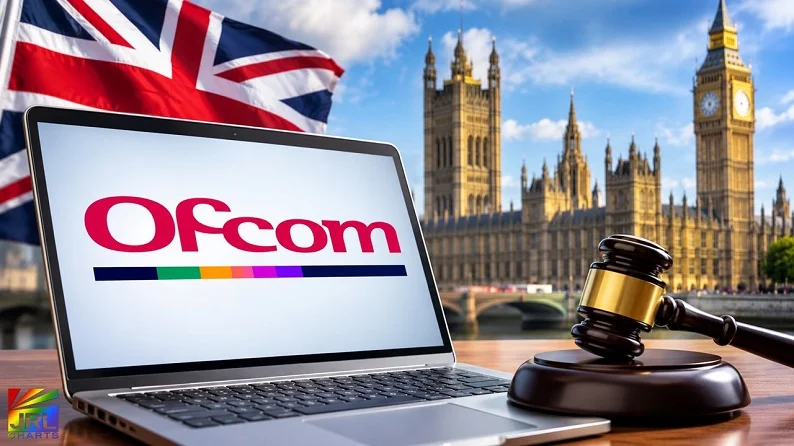
LONDON, ENGLAND — (November 16, 2026) — Britain’s online safety regulator, Ofcom, has unveiled a major expansion of its digital safety requirements, placing pornography websites and other user-generated content platforms under increased scrutiny as the United Kingdom prepares to introduce additional safeguards against child sexual abuse material (CSAM).
The measures, announced Monday under the country’s Online Safety Act, would expand the use of automated content detection technology across a broader range of digital services, including adult entertainment platforms that host or distribute user-generated content.
Trending LGBT Politics Europe News on JRL CHARTS:
• UK Lawmakers Push to Ban Adult Livestreaming Platforms in Sweeping New Crackdown
• Trump’s $10 Billion BBC Lawsuit Backfires? Judge Orders Him to Testify Under Oath
• Orbán’s Anti-LGBTQ Legacy Crumbles as Hungary Votes 139–51 for Change
• German High Court Stops Pornhub and YouPorn Block in Major EU Law Showdown
• OnlyFans and MYM Escape Sweeping French Crackdown After Parliament Showdown
• Breaking Now on LGBT Politics Europe News on JRL CHARTS
The announcement marks another significant regulatory development for the international adult entertainment industry, particularly operators serving British consumers.
Under the proposed changes, qualifying adult platforms would be expected to implement stronger detection systems, regardless of their size, as Ofcom moves to strengthen protections against illegal material circulating online.
Ofcom Expands Hash Matching Requirements to Adult Websites
At the center of the announcement is an expansion of hash matching technology, a digital identification system designed to recognize previously identified illegal images and prevent their continued circulation.
The technology creates digital fingerprints of known material, allowing participating platforms to compare uploaded content against reference databases.
Unlike conventional image recognition, hash matching can identify known prohibited material without relying exclusively on manual review.
Ofcom’s existing Illegal Content Codes already recommend hash matching for certain user-to-user services considered at risk of hosting CSAM.
The newly announced measures would extend that recommendation to services primarily designed to host or distribute pornographic content that fall within the regulator’s specified high-risk category.
Ofcom argues that the risk of illegal material appearing on adult platforms is not necessarily determined by the size of the business.
Consequently, smaller operators could face additional technology and compliance responsibilities previously associated with larger digital platforms.
UK Online Safety Act Places Adult Platforms Under Greater Scrutiny
The latest announcement forms part of a broader regulatory framework established under Britain’s Online Safety Act.
The legislation already requires covered online services to assess the risks of illegal content appearing on their platforms and implement proportionate safeguards.
Ofcom’s November 16 statement introduces additional measures intended to strengthen those existing obligations.
Among the regulator’s announced decisions are:
• Expanded hash matching recommendations for identifying known CSAM.
• Stronger sanctions against users responsible for distributing child sexual exploitation and abuse material.
• Additional automated detection measures for previously unidentified CSAM on certain high-risk services.
• Enhanced procedures for identifying, reporting and removing illegal content.
• Additional protections involving content recommendations and children’s online safety.
Importantly, not every measure applies to every adult website. The precise obligations depend on the service’s functionality, risk classification and the scope of the relevant codes.
The new package also reaches beyond pornography websites, affecting certain social media, file-sharing and other user-to-user services.
Adult Industry Operators Face New Technology and Compliance Questions
For adult entertainment businesses operating in the United Kingdom or serving British users, the proposed changes introduce important operational considerations.
Platforms that permit users to upload or distribute content may need to evaluate whether their existing moderation infrastructure meets the regulator’s expanded expectations.
Depending on their service classification, operators could face additional costs involving detection technology, database integration, compliance personnel and internal reporting procedures.
These potential costs could prove especially significant for smaller independent platforms without the technical resources available to major international operators.
However, Ofcom’s codes generally recommend measures that providers can use to satisfy their statutory duties. Businesses may be able to demonstrate compliance through alternative approaches that meet the legal requirements.
The distinction matters: the regulator is expanding its recommended safeguards rather than imposing one identical technical implementation on every website.
Ofcom Also Targets Repeat Offenders and Illegal Content Distribution
Beyond automated detection, the regulator is strengthening its expectations concerning accounts involved in child sexual exploitation and abuse.
Its new measures recommend that user-to-user services ban accounts responsible for generating, uploading or sharing such material, with permanent bans generally expected for adult offenders except in extremely limited circumstances.
Ofcom also addresses how platforms should prevent banned users from returning, while allowing providers flexibility in choosing appropriate technical methods.
The regulator has adopted a more nuanced approach for children who may have shared images of themselves in circumstances involving grooming or age-appropriate relationships.
The measures demonstrate that Britain’s updated regulatory framework extends beyond removing illegal files to addressing the accounts and systems involved in distributing them.
Parliament Must Complete Approval Process Before 2027 Implementation
Although Ofcom announced its decisions on November 16, the additional code provisions remain subject to the required parliamentary process.
The regulator expects the new measures to take effect in early 2027, provided that process is completed.
Ofcom has also indicated that it intends to move quickly to secure compliance once the updated requirements become effective.
That timetable gives potentially affected businesses a limited planning window to review their existing safety systems, determine which provisions apply to their services and prepare for any necessary operational changes.
The announcement does not establish a single confirmed compliance deadline for every adult platform.
What the New Ofcom Rules Mean for the Global Adult Entertainment Industry
The United Kingdom’s regulatory developments are particularly relevant to international adult entertainment businesses operating across multiple jurisdictions.
For platforms hosting user-generated adult content, regulatory compliance increasingly involves more than age verification and conventional content moderation.
Detection technology, user sanctions, documented risk assessments and mechanisms for removing illegal material are becoming central components of online platform governance.
For adult industry executives, the immediate question is whether existing safety infrastructure can satisfy the additional expectations outlined in Ofcom’s latest codes.
Businesses serving British users will also need to distinguish between measures that apply specifically to pornography-focused services and those covering broader categories of digital platforms.
As the parliamentary process advances, the industry’s attention is likely to turn toward implementation guidance, technology requirements and the practical cost of compliance.
JRL CHARTS LGBT Politics Europe and Gay Adult Industry News will continue monitoring Ofcom’s regulatory developments, the UK Online Safety Act and their implications for international adult entertainment platforms as the proposed early-2027 implementation period approaches.
His reporting focuses on federal court rulings, legislative developments, international human rights issues, and government actions impacting LGBTQ communities worldwide.
With nearly two decades of experience, Goldberg is recognized for his balanced analysis, investigative insight, and commitment to accurate, fact-based journalism that informs readers on the political forces shaping equality and justice.
- UK Adult Websites Face Sweeping New Ofcom Rules as 2027 Deadline Looms - November 16, 2026
- Trump Explodes Over 60 Minutes Iran War Bombshell as U.S. Soldiers Expose Deadly Security Failures - November 16, 2026
- Tampa Bay LGBT Chamber Brings Business and Pride Together at St. Pete Networking Mixer - November 15, 2026