By Paul Goldberg – Senior Correspondent | JRL CHARTS LGBTQ News / LGBTQ Healthcare
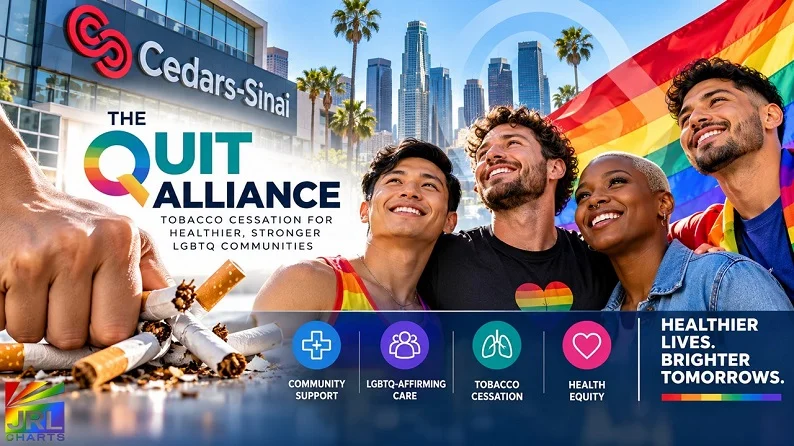
LOS ANGELES, CA — (October 30, 2026) — Cedars-Sinai Cancer is strengthening efforts to confront tobacco-related health disparities within LGBTQ communities through The Quit Alliance, a Los Angeles-based initiative connecting residents with culturally affirming smoking cessation services, trained healthcare professionals, and community support.
The initiative, coordinated through Cedars-Sinai Cancer’s Community Outreach and Engagement office, is designed to address a longstanding public-health challenge: LGBTQ individuals can face higher rates of tobacco use while encountering discrimination, social stress, and barriers to appropriate healthcare.
Trending LGBTQ Business and Politics News on JRL CHARTS:
• Get the Latest in LGBT Politics USA Exclusively on JRL CHARTS
• Breaking Military News involving LGBTQ Service Members and Security
• Breaking Now on LGBT Business Finance News
• Now Trending on LGBTQ Entertainment News
Rather than relying exclusively on conventional smoking cessation programs, The Quit Alliance is working with community organizations and healthcare providers to make quitting tobacco more accessible, supportive, and free from judgment.
Cedars-Sinai Brings LGBTQ Healthcare Directly Into Communities
Supported by the California Tobacco Control Program and the Los Angeles County Department of Public Health Tobacco Prevention Program, The Quit Alliance trains healthcare workers and community advocates to recognize tobacco dependence and connect individuals with proven cessation resources.
Training reaches nurses, medical assistants, case managers, health educators, and outreach workers at community organizations and Federally Qualified Health Centers.
Victor Crisanto, MPH, a certified tobacco cessation specialist at Cedars-Sinai, leads educational sessions addressing nicotine addiction, tobacco-related illnesses, and the challenges that can complicate quitting.
A central component is the “ask, advise, refer” approach, which encourages healthcare professionals to discuss tobacco use respectfully, explain available treatment options, and connect interested individuals with appropriate services.
The strategy emphasizes personal choice rather than pressure, recognizing that individuals may require multiple attempts before successfully quitting.
Why LGBTQ-Affirming Tobacco Treatment Matters
Tobacco-related health disparities remain a serious concern across LGBTQ communities.
According to Truth Initiative, tobacco companies have historically targeted LGBTQ consumers through specialized marketing, while discrimination and minority stress can contribute to elevated tobacco use.
These factors reinforce the importance of cessation programs that recognize patients’ lived experiences rather than treating nicotine addiction as an isolated behavioral issue.
The Quit Alliance responds by connecting tobacco treatment with broader community needs, including housing stability, mental health resources, and access to supportive healthcare.
Workshops, Counseling and Smoking Cessation Resources
Beyond professional training, The Quit Alliance provides community workshops addressing smoking cessation strategies, nicotine withdrawal, managing cravings, and establishing practical quit plans.
Participants can learn about individual counseling, support groups, nicotine replacement therapies, and medications used to treat tobacco dependence.
The program also connects residents with services such as Kick It California, which offers tobacco cessation assistance.
Organizers additionally support community education and advocacy for smoke-free workplaces, residential common areas, and public spaces to reduce exposure to secondhand smoke.
A Broader Fight for LGBTQ Health Equity
The Quit Alliance reflects a growing effort to integrate LGBTQ-inclusive healthcare into existing public-health systems.
By training frontline workers and strengthening relationships with community organizations, Cedars-Sinai aims to make evidence-based tobacco cessation assistance easier to access for individuals who might otherwise remain disconnected from traditional treatment programs.
The initiative also illustrates why LGBTQ health equity requires more than simply making services available. Healthcare providers must build trust, recognize discrimination-related barriers, and provide support that respects each patient’s circumstances.
For LGBTQ residents considering quitting tobacco, The Quit Alliance offers a community-centered pathway toward healthier lives.
Learn more: The Quit Alliance
Stay connected with JRL CHARTS LGBTQ News for continuing coverage of LGBTQ healthcare, medical research, public-health initiatives, and policies shaping the health and well-being of LGBTQ communities nationwide.
His reporting focuses on federal court rulings, legislative developments, international human rights issues, and government actions impacting LGBTQ communities worldwide.
With nearly two decades of experience, Goldberg is recognized for his balanced analysis, investigative insight, and commitment to accurate, fact-based journalism that informs readers on the political forces shaping equality and justice.
- Cedars-Sinai Takes Aim at LGBTQ Smoking Crisis With The Quit Alliance - October 30, 2026
- Can Religious Schools Reject LGBTQ Families and Still Get Taxpayer Money? Supreme Court to Decide - October 28, 2026
- Fed Holds Rates at 4% as Wall Street Bets on December Hike - October 28, 2026