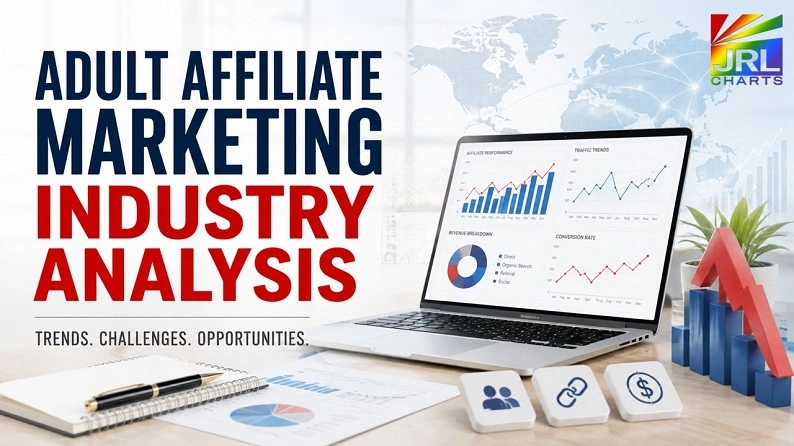
By: Keith Witchka – Senior Correspondent | LGBT Business Finance News
LAS VEGAS, NV — (August 5, 2026) — For nearly two decades, independent publishers played an essential role in helping consumers discover premium gay adult content, studios, performers, subscription platforms, and retail products.
Through editorial journalism, search engine optimization (SEO), affiliate marketing, and original reporting, thousands of niche websites helped shape one of the internet’s earliest creator-driven economies. Today, that digital landscape looks remarkably different.
Now Trending on LGBT Business, Finance News on JRL CHARTS
• Adult Creators Finally Get Specialized Insurance Coverage from Essence Protection
• Telegram Vanishes from Apple App Store Worldwide – What Happened?
• Brazil Targets Major Adult Platforms in New Digital Compliance Push
• Capital One Drops Bombshell AML Defense in Trump Organization Banking Lawsuit
• Americans Flood FCC With Opposition to LGBTQ TV Warning Labels
• Get the Latest In LGBT News on JRL CHARTS
The transformation did not happen overnight, nor can it be attributed to a single event. Instead, a combination of evolving search engine algorithms, changing consumer behavior, creator-focused subscription platforms, social media, and advances in digital advertising fundamentally reshaped how audiences discover content online.
For many longtime publishers, the past decade represents one of the most significant business transformations the LGBTQ+ adult digital media industry has experienced.
A Two-Decade Perspective
Founded in 2004, JRL CHARTS has documented the evolution of the LGBTQ+ gay adult digital publishing industry for more than twenty years. That long-term perspective provides a unique view of how affiliate marketing, search engine optimization, digital advertising, and creator-focused business models have evolved alongside changing consumer behavior.
Over the years, JRL CHARTS has heard from numerous aspiring publishers and established webmasters seeking guidance on affiliate marketing, digital traffic strategies, and the realities of operating an independent LGBTQ+ publishing business.
Many shared similar concerns about declining referral revenue, changing affiliate programs, and the growing challenge of competing in an increasingly consolidated digital marketplace. While every publisher’s experience has been different, one common theme has emerged: adaptability has become one of the industry’s most valuable business assets.
Search Engines Reshaped Digital Publishing
The internet itself has changed dramatically.
Major search engine updates have placed increasing emphasis on original reporting, authoritative content, mobile performance, user experience, and overall website quality. At the same time, artificial intelligence, zero-click search experiences, and richer search results have changed how users interact with information before ever visiting a website.
These developments affected publishers across nearly every industry—not just LGBTQ+ media.
For smaller independent publishers operating with limited resources, maintaining search visibility became increasingly challenging as larger organizations invested heavily in technical SEO, content production, and audience development.
Successful publishers gradually shifted toward diversified marketing strategies that included newsletters, social media engagement, branded editorial content, and direct audience relationships.
Consumer Behavior Continues to Evolve
The way consumers discover online entertainment has changed considerably.
Subscription fatigue, mobile-first browsing, streaming services, and free ad-supported platforms have encouraged audiences to explore content through multiple channels instead of relying exclusively on traditional search engines.
Today, many consumers begin their journey through social media platforms, creator communities, recommendation algorithms, messaging applications, or influencer content.
This evolution fundamentally changed how publishers attract visitors and how advertisers connect with potential customers.
The Creator Economy Changed the Business Model
The emergence of creator-first subscription platforms introduced an entirely new business model.
Rather than depending exclusively on studios and affiliate marketers, many creators began building direct relationships with their audiences through subscription services, memberships, and social media engagement.
This direct-to-consumer approach created exciting new opportunities for performers while simultaneously reducing the traditional role affiliate publishers once played in customer acquisition.
As marketing budgets evolved, many businesses expanded their focus toward creator partnerships, influencer campaigns, and community-driven promotion.
Affiliate Marketing Still Has an Important Role
Despite dramatic industry changes, affiliate marketing remains an important component of digital advertising.
Performance-based marketing continues to provide advertisers with measurable customer acquisition while rewarding publishers who deliver qualified traffic and meaningful engagement.
Today’s successful publishers rarely depend on a single revenue stream
Instead, many combine original journalism, product reviews, newsletters, sponsored content, affiliate partnerships, video production, social media, and email marketing to create diversified business models capable of adapting to ongoing marketplace changes.
Diversification has become one of the defining characteristics of long-term digital publishing success.
The Future Belongs to Adaptable Publishers
Artificial intelligence, advanced analytics, privacy regulations, first-party data, and evolving advertising technologies are once again reshaping digital publishing.
Independent media companies that continue investing in original reporting, trusted journalism, and meaningful audience relationships may discover new opportunities despite increasing competition across the digital marketplace.
Credibility, expertise, and consistent editorial standards remain valuable competitive advantages that cannot easily be replicated through automated content alone.
As the digital economy continues evolving, adaptability—not size—may ultimately determine which publishers thrive during the next generation of online media.
Editor’s Note
This analysis examines long-term business trends affecting affiliate marketing, digital publishing, and online advertising throughout the LGBTQ+ adult media industry. Business models, search technologies, and consumer behavior continue evolving, making diversification and audience engagement increasingly important for publishers operating in today’s digital economy.
For more than two decades, JRL CHARTS has covered the business, technology, and market trends shaping the LGBTQ+ media industry. Stay informed with trusted reporting and expert analysis as digital publishing continues to evolve.
His reporting focuses on federal court rulings, legislative developments, international human rights issues, and government actions impacting LGBTQ communities worldwide.
With nearly two decades of experience, Goldberg is recognized for his balanced analysis, investigative insight, and commitment to accurate, fact-based journalism that informs readers on the political forces shaping equality and justice.
- Stocks Up 12%, Bonds Under Pressure — Morningstar Reveals Wall Street’s Growing Divide - October 26, 2026
- American Express Profits Surge 28% — Then Comes the 3,500 Job Cut Bombshell - October 26, 2026
- Jamie Dimon Sounds the Alarm: 5 Economic Threats That Could Shake America - October 25, 2026