By: Paul Goldberg – Senior Correspondent | LGBT Politics News
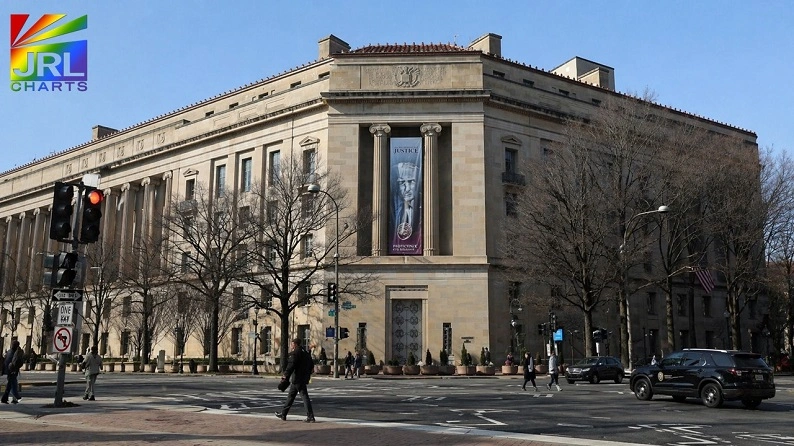
WASHINGTON — (April 21, 2026) — The Southern Poverty Law Center (SPLC) has confirmed it is the subject of a federal criminal investigation by the U.S. Department of Justice, marking a significant escalation in tensions between civil rights organizations and the current administration under Donald Trump.
Justice Department Probe Centers on Informant Program
According to statements released by the SPLC, the investigation appears to focus on the organization’s historical use of paid confidential informants to infiltrate extremist groups and monitor potential threats.
Related LGBT Politics News on JRL CHARTS:
• U.S. Supreme Court Declines Anti-LGBTQ Parental Rights Appeal in Trans Student Case
• Tennessee Passes “Charlie Kirk Act” Targeting Campus Protests Over Anti-LGBTQ+ Speakers
• Project 2025 Already 50% Complete: Inside Trump’s Plan Reshaping America
• U.S. Banking Rule Ends ‘Reputational Risk’ Barrier, Expands Access for Legal Businesses
• LGBTQ Corporate Participation Plunges 65% in 2026 as DEI Retreat Reshapes Business Landscape
• Get the Latest in LGBT Politics USA Exclusively on JRL CHARTS
This marks the second time the Court has recently refused to take up a similar dispute, following a comparable case involving a Wisconsin school district last December.
Although the Court chose not to intervene, several conservative justices have previously indicated interest in the broader legal questions surrounding parental rights and gender identity policies in public education. The decision also follows a recent emergency ruling involving California, where the Court suggested the state may have infringed on parental rights in a separate transgender-related case.
Legal observers note that the issue is likely to return to the Court as similar disputes continue to emerge across multiple states.
In a statement, Alliance Defending Freedom (ADF) Chief Counsel Jim Campbell criticized the decision, calling it a missed opportunity to strengthen parental authority in education.
“No school district should make important mental health decisions on behalf of parents or conceal those decisions from them,” Campbell said, adding that families have a right to be informed about significant developments affecting their children.
The organization represented the Massachusetts parents in the case and has frequently brought religious liberty and LGBTQ-related disputes before the Supreme Court.
The lawsuit originated in Ludlow, Massachusetts, where parents of a middle school student alleged that school staff encouraged their child to identify as “genderqueer” without parental knowledge or consent.
However, the school district disputed the claims, arguing that the alleged policy does not exist. In its filing, the district stated that the case should be dismissed because it effectively asks the Court to rule on a policy that is not officially in place.
“The Court should deny the petition here because it has been asked to render an advisory opinion on a policy that does not exist,” the district wrote in its response.
Stay locked to JRL CHARTS LGBT Politics News for continuing coverage of U.S. Supreme Court decisions, LGBTQ legal battles, and national education policy developments shaping the future of civil rights and parental authority.
SPLC CEO Bryan Fair stated that the program was designed to gather intelligence on violent organizations and share findings with law enforcement agencies when credible threats emerged.
“There is no question that what we learned from informants saved lives,” Fair said, emphasizing that the program operated with the intent of preventing violence.
The Justice Department has not publicly commented on the scope or timeline of the investigation.
Historical Role of SPLC in Monitoring Extremism
Founded in 1971 and headquartered in Montgomery, Alabama, the SPLC has long been recognized for using civil litigation and investigative reporting to combat white supremacist groups and domestic extremism.
Over decades, the organization built a reputation for tracking hate groups and publishing annual reports on extremist activity across the United States. Its intelligence has frequently been shared with federal, state, and local law enforcement agencies.
However, its methodology—particularly its classification system and use of informants—has remained a point of political contention.
Political Tensions Surround the Investigation
The investigation arrives amid broader scrutiny of how federal law enforcement agencies are being used in politically sensitive cases.
Critics of the current administration argue that the probe may reflect a pattern of targeting perceived political opponents, while supporters maintain that oversight of nonprofit organizations is necessary when questions arise about operational practices.
The issue has intensified debates over whether the Justice Department is acting independently or being influenced by political priorities.
FBI and Congressional Scrutiny Add to Pressure
The SPLC has faced mounting criticism in recent years from conservative leaders and lawmakers.
In 2025, Kash Patel, Director of the Federal Bureau of Investigation, announced the agency would sever ties with the SPLC, citing concerns over alleged bias and labeling practices.
Additionally, House Republicans held hearings examining the organization’s influence, alleging coordination with previous administrations to target conservative and religious groups.
Turning Point USA and Renewed Controversy
Recent scrutiny has also been tied to SPLC reports that included Turning Point USA in discussions of right-wing political movements.
The controversy intensified following the assassination of activist Charlie Kirk, which brought renewed attention to how organizations are categorized in extremism research reports.
Supporters of the SPLC argue that its classifications are based on documented rhetoric and activity, while critics claim the designations unfairly target ideological opponents.
SPLC Vows Legal Defense
Despite the growing pressure, SPLC leadership has made clear that the organization intends to challenge any legal action.
“We will vigorously defend ourselves, our staff, and our work,” Fair said, signaling a potential high-profile legal battle that could test the boundaries of nonprofit investigative practices and federal oversight.
Broader Implications for Civil Rights and Free Speech
Legal experts note that the outcome of the investigation could have far-reaching consequences—not only for the SPLC but also for other advocacy organizations that engage in investigative work involving extremist groups.
At the center of the debate are competing concerns:
- The role of nonprofits in gathering intelligence on domestic threats
- The limits of federal authority in investigating advocacy groups
- Ongoing tensions between free speech protections and extremism monitoring
As the case develops, it is expected to become a focal point in the broader national conversation about civil liberties, political polarization, and the role of government oversight.
Stay with JRL CHARTS NETWORK for continued coverage on federal investigations, civil rights developments, and the political forces shaping LGBTQ+ America and beyond.
His reporting focuses on federal court rulings, legislative developments, international human rights issues, and government actions impacting LGBTQ communities worldwide.
With nearly two decades of experience, Goldberg is recognized for his balanced analysis, investigative insight, and commitment to accurate, fact-based journalism that informs readers on the political forces shaping equality and justice.
- Lindsey Graham Accused of Paying 3 Male Escorts — One Claims He Was 17 - October 22, 2026
- LGBTQ Nonprofit Makes $3 Million Move to Transform Downtown Buffalo - October 21, 2026
- Supreme Court Blocks Trump’s Transgender Prison Care Ban in Major Legal Setback - October 21, 2026