By Paul Goldberg — Senior Correspondent | LGBT Politics USA
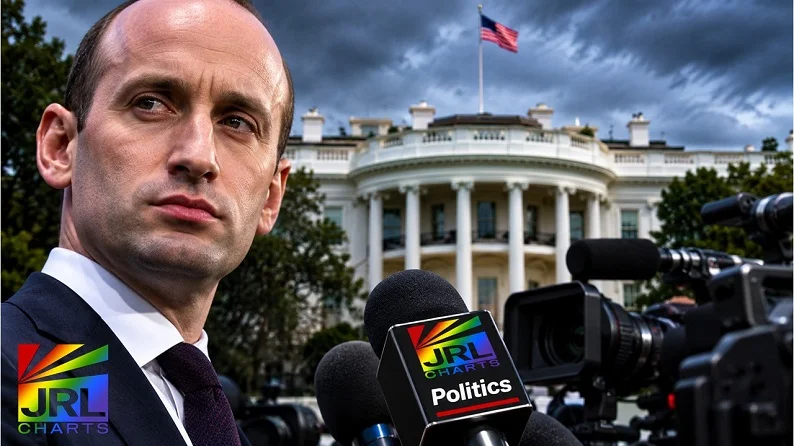
WASHINGTON, D.C. — (November 7, 2026) — A reported discussion inside President Donald Trump’s administration about potentially arresting journalists to force them to identify confidential government sources has ignited serious questions about press freedom, constitutional protections, and the future of investigative journalism in the United States.
According to a November 6 investigation published by The Atlantic, White House officials and the Department of Justice discussed aggressive measures to identify government employees accused of leaking sensitive information to news organizations. Those discussions reportedly included the possibility of arresting journalists as a means of pressuring them to reveal their sources.
Trending International LGBTQ News on JRL CHARTS:
• Breaking Military News involving LGBTQ Service Members and Security
• LGBT Politics Europe – Updates on Hate Crimes, Judicial Rulings
• Stay Up to Date on the Happenings in LGBT Politics Asia
• You Won’t Believe What Is Breaking Now on LGBTQ News
• Breaking Now on LGBT Politics USA News
The report, citing three people familiar with the matter, described a disagreement between outgoing White House Chief of Staff Susie Wiles and her successor, Stephen Miller. Wiles reportedly opposed the approach, while Miller supported it and believed journalists would quickly disclose confidential sources under pressure.
The Justice Department disputed the allegations, telling The Atlantic that the account was “absolutely false.” The White House separately maintained that unauthorized leaks would not be tolerated and that those responsible must face accountability.
The allegations remain unverified independently by JRL CHARTS. Nevertheless, they raise a fundamental constitutional question: Can the federal government use the threat of incarceration to force journalists to identify the people who provide information to the American public?
Stephen Miller’s Promotion Raises New Questions About White House Press Policy
The controversy comes during a dramatic leadership transition following Republicans’ losses in the November 2026 midterm elections.
Trump announced Friday that Miller, his longtime political adviser and deputy chief of staff, would replace Wiles beginning Monday, November 9.
Miller has played a central role in the administration’s immigration enforcement strategy and broader approach to executive authority. His elevation to chief of staff places him in a position of greater influence over White House operations and policy decisions.
The disagreement over pursuing journalists illustrates a broader difference between Wiles and Miller. Wiles was described as a moderating influence in certain internal deliberations, while Miller has generally favored more aggressive approaches.
The publication did not establish that any journalist arrest operation had been authorized, that arrest warrants had been sought, or that Miller had issued an official directive targeting reporters.
Why Confidential Sources Are Essential to America’s Free Press
Confidential sources are among the most important tools available to investigative journalists.
Government employees, whistleblowers, and individuals with direct knowledge of institutional misconduct sometimes provide information to reporters because they believe the public has a right to know about decisions made behind closed doors.
Their disclosures can expose government corruption, misuse of public funds, civil rights violations, abuses of authority, and failures within federal agencies.
In many cases, these individuals face professional retaliation, termination, legal exposure, or personal threats if their identities become public.
Confidentiality allows journalists to investigate matters that might otherwise remain concealed.
The danger of threatening journalists with imprisonment extends beyond the individual reporter. It can discourage sources from speaking in the first place.
A federal employee who believes that a journalist could be arrested and pressured to disclose their identity may decide that sharing information is simply too dangerous.
The resulting silence could deprive Americans of information necessary to evaluate government conduct.
Importantly, not every unauthorized disclosure is legally protected whistleblowing. Classified information and national defense secrets may be subject to criminal restrictions. The government has legitimate interests in protecting sensitive information.
The constitutional concern arises when investigative authority is used improperly to intimidate lawful reporting or suppress information because it is politically embarrassing.
First Amendment Protections: Can Journalists Actually Be Jailed?
The First Amendment prohibits the government from abridging freedom of speech or freedom of the press.
However, the legal protections surrounding confidential journalistic sources are more complicated than a blanket immunity from investigation.
In the landmark 1972 Supreme Court decision Branzburg v. Hayes, the Court ruled that the First Amendment does not automatically exempt reporters from responding to valid grand jury subpoenas seeking information relevant to criminal investigations.
The decision established that journalists do not possess an absolute constitutional privilege to withhold confidential sources in every circumstance.
That distinction matters.
A journalist could potentially face contempt proceedings for refusing to comply with a lawful court order, depending on the circumstances and applicable protections.
But arresting a journalist simply to intimidate the press or punish unfavorable coverage would raise profoundly different constitutional and legal issues.
Any attempt to compel source disclosure must be evaluated against applicable laws, court procedures, constitutional protections, and the facts of the underlying investigation.
The First Amendment protects a free press. It does not give journalists unlimited immunity from generally applicable criminal laws, nor does it authorize government officials to disregard constitutional limits.
The Justice Department Already Expanded Its Powers to Investigate Media Sources
The reported White House discussions are especially significant because the Justice Department changed its news media investigative policies in 2025.
In an April 25, 2025 memorandum, Attorney General Pam Bondi rescinded earlier restrictions established during the Biden administration that had generally prevented prosecutors from using compulsory legal processes to identify journalists’ confidential government sources.
The revised policy reopened avenues for federal investigators to seek reporter records and testimony under specified circumstances.
Current DOJ regulations under 28 CFR § 50.10 govern the use of subpoenas, search warrants, communications records, and certain investigative actions involving members of the news media.
Those regulations continue to impose procedural requirements, including elevated authorization standards and consideration of less intrusive alternatives.
The department’s own Justice Manual describes compulsory legal measures directed at journalists as extraordinary investigative tools rather than routine practices.
The significance is clear: federal authorities already possess certain lawful mechanisms for investigating unauthorized disclosures.
The question raised by the latest reporting is whether political pressure could encourage the government to pursue more confrontational measures against journalists engaged in legitimate newsgathering.
Why LGBTQ News Organizations and Independent Publishers Should Be Concerned
For independent publishers covering LGBTQ rights, immigration enforcement, civil liberties, and government accountability, confidential sources can be indispensable.
Journalists investigating alleged discrimination within federal agencies, military institutions, correctional facilities, or immigration detention centers may rely on individuals unwilling to speak publicly.
Sources may include government employees concerned about retaliation, military personnel reporting misconduct, or individuals with knowledge of policies affecting vulnerable communities.
If these individuals believe that speaking with a journalist could expose them to identification through federal investigations, important stories may never reach publication.
The potential consequences are particularly relevant to LGBTQ-focused media organizations, which often cover politically sensitive issues that receive limited attention from larger national outlets.
Independent journalism serves a critical accountability function precisely because it can investigate stories overlooked or deprioritized elsewhere.
A threat to confidential source protection is therefore not merely a threat to major Washington newsrooms. It can affect regional publishers, independent journalists, nonprofit investigative organizations, and specialized media networks across the country.
For LGBTQ communities, the stakes include access to reliable information about government actions that may directly affect civil rights, personal safety, and equal treatment under the law.
National Security Versus Press Freedom: Where Should Washington Draw the Line?
The federal government has a legitimate responsibility to investigate unlawful disclosures of classified material, particularly when those disclosures could compromise intelligence operations, endanger personnel, or threaten national security.
Supporters of stronger leak investigations argue that government employees should not be able to disregard confidentiality obligations without consequences.
Those concerns deserve serious consideration.
However, the existence of legitimate national security interests does not automatically justify every investigative tactic.
There is a fundamental difference between investigating an alleged unlawful disclosure through established legal procedures and using the threat of incarceration to pressure journalists into revealing sources.
The latter approach, if employed without lawful justification, could undermine public confidence in the independence of federal law enforcement.
It could also encourage future administrations, regardless of political party, to use investigative powers against media organizations whose reporting they dislike.
The central issue is not whether government employees should be permitted to leak classified information without consequences.
It is whether journalists performing lawful newsgathering activities should face coercive government action because they possess information that political leaders want disclosed.
A Defining Test for America’s Free Press
The latest allegations arrive at a politically consequential moment.
With Stephen Miller preparing to assume leadership of the White House staff, questions surrounding the administration’s approach to government leaks and media investigations are likely to attract additional scrutiny.
For now, the reported discussions remain disputed, and no arrest program targeting journalists has been established by the available reporting.
Yet the controversy underscores a larger concern about the relationship between executive power and an independent press.
The ability of journalists to investigate government decisions, protect confidential sources where the law permits, and publish information of legitimate public interest remains central to democratic accountability.
If government officials can intimidate sources into silence by threatening the journalists who receive their information, the public may never learn what those sources know.
And when information disappears before it can be investigated, the consequences extend far beyond the newsroom.
The ultimate question is not simply whether Washington can investigate leaks. It is whether the government can protect national security without compromising the constitutional freedoms that distinguish a democracy from an unchecked executive.
JRL CHARTS — LGBTQ News, Politics & Independent Journalism — continues its coverage of First Amendment protections, government accountability, and the policies shaping civil liberties across America. Because a free press is essential to an informed public, and protecting the public’s right to know remains a cornerstone of democratic accountability.
His reporting focuses on federal court rulings, legislative developments, international human rights issues, and government actions impacting LGBTQ communities worldwide.
With nearly two decades of experience, Goldberg is recognized for his balanced analysis, investigative insight, and commitment to accurate, fact-based journalism that informs readers on the political forces shaping equality and justice.