By: Paul Goldberg – Senior Correspondent | Breaking Military News UK
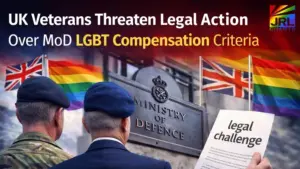
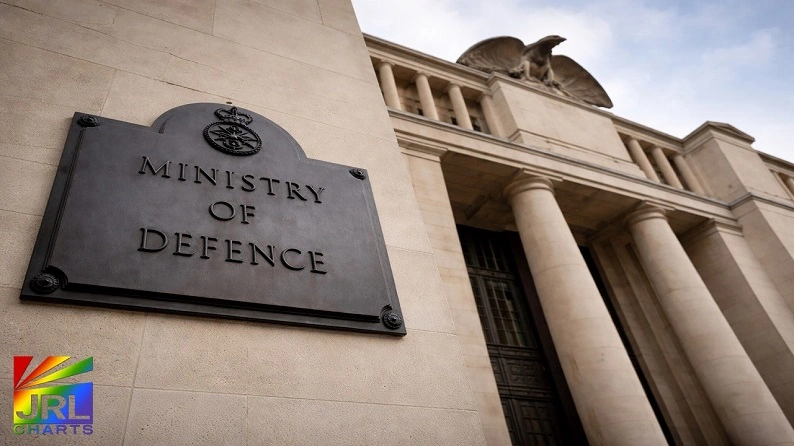
LONDON — (April 9, 2026) — Two British military veterans have launched legal action against the UK Ministry of Defence (MoD), arguing that the government’s compensation scheme for LGBT service members unfairly excludes those who were forced out without formal dismissal.
The case centers on former service members Mark Shephard and Steven Stewart, who claim they suffered long-term personal and professional harm after being effectively pushed out of the armed forces due to their sexuality during the UK’s now-defunct LGBT service ban.
Related LGBT Politics & World News Coverage Links on JRL CHARTS:
• UK Veterans Threaten Legal Action Over Ministry of Defence LGBT Compensation Criteria
• Get the Latest in LGBT Politics Exclusively on JRL CHARTS
• Breaking Military News involving LGBTQ Service Members and Security
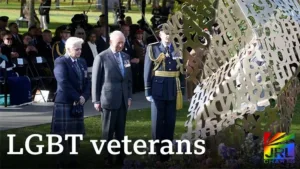
• King Charles III Unveils UK’s First LGBT Armed Forces Memorial in Historic Ceremony
• LGBT Politics Europe – Updates on Hate Crimes, Judicial Rulings
• Stay Up to Date on the Happenings in LGBT Politics Asia
According to their legal team at Irwin Mitchell, both men were denied full compensation under the MoD’s LGBT Financial Recognition Scheme, despite evidence that they were compelled to leave under pressure.
The MoD declined to comment on the ongoing legal case but reiterated that past treatment of LGBT personnel was “wholly unacceptable.”
Disputed Compensation Framework
The UK government introduced the compensation program in 2024 following recommendations from Lord Etherton’s independent review, which examined decades of discrimination against LGBT military personnel.
Under current rules, veterans who were formally dismissed or administratively discharged can receive up to £70,000, including:
- £50,000 flat-rate compensation
- Up to £20,000 in additional “impact payments”
However, veterans who resigned — even under alleged coercion — are only eligible for limited compensation.
This distinction is now at the heart of the legal challenge.
Claims of Coercion and “No Real Choice”
Steven Stewart, a former corporal in the Royal Military Police, says he resigned in 1995 after being arrested and threatened with court-martial.
“I had done nothing wrong, but I was left with no real choice,” Stewart said, in comments first reported by BBC News.
He described the experience as life-altering, adding that the impact has followed him for decades — affecting his confidence, relationships, and identity.
Mark Shephard, who served in the Royal Air Force, shared a similar account. He says he endured persistent bullying and was directly questioned about his sexuality by a superior officer.
After confirming he was gay, Shephard sought voluntary release to avoid dismissal.
He later stated he felt “driven out of the career I trained hard to achieve,” according to BBC reporting.
Reduced Payouts Spark Legal Challenge
Despite their experiences, Stewart and Shephard received only £7,000 and £5,000 respectively in impact payments. Their applications for full compensation were rejected, and subsequent appeals were denied.
Barrister Kate Gallafent KC argues that the current rules fail to recognize the reality faced by many LGBT service members.
She cited findings from the Etherton Review showing that 44% of affected veterans were forced out through unofficial means, including intimidation and systemic hostility.
Gallafent described the policy framework as “inherently irrational” and legally flawed, arguing it unfairly penalizes those who were pressured into resigning rather than formally dismissed.
Wider Impact on LGBT Veterans
Legal representatives say the issue extends far beyond the two claimants.
Angela Jackman, a partner at Irwin Mitchell, stated that hundreds of veterans may have been undercompensated, leaving many feeling retraumatized after engaging with the scheme.
She said some applicants were “short-changed” and left “even more demoralized,” according to BBC News.
MoD Responds to Historical Failures
In response, the Ministry of Defence acknowledged the harm caused by its past policies.
A spokesperson stated:
“We deeply regret the treatment of LGBT serving personnel between 1967 and 2000, which was wholly unacceptable and not representative of Defence today.” (Source: BBC News)
The MoD added that while the compensation scheme was designed to prioritize those formally removed from service, it has since been expanded to include additional payments for those affected by coercive conditions.
In response, the Ministry of Defence acknowledged the harm caused by its past policies.
A spokesperson stated:
“We deeply regret the treatment of LGBT serving personnel between 1967 and 2000, which was wholly unacceptable and not representative of Defence today.” (Source: BBC News)
The MoD added that while the compensation scheme was designed to prioritize those formally removed from service, it has since been expanded to include additional payments for those affected by coercive conditions.
What Comes Next
The legal case is now moving forward, with no confirmed hearing date.
If successful, the challenge could force a major revision of the UK’s LGBT military compensation framework — potentially opening the door for broader payouts and recognition for veterans who were unofficially pushed out during one of the most controversial periods in British military history.
For continued coverage on global military policy, veteran rights, and defense sector developments, stay with JRL CHARTS — Breaking Military News UK division.

- Bombshell Report: Trump Jokes About Mass Pardons for Staff Near Oval Office - April 10, 2026
- UK Military Veterans Launch Legal Fight Over LGBT Compensation Scheme - April 10, 2026
- Republicans Escalate Anti-Trans Push as 2026 Midterms Take Shape - April 8, 2026
// Affiliate Disclosure: JRL CHARTS is a digital news and media platform. We do not host, stream, or sell adult content. Some outbound links may contain affiliate tracking to licensed studio-owned platforms (e.g., LatinBoyz, AEBN, BiLatin Men). These links lead to legal, age-gated distributors and are provided strictly for editorial and informational purposes only.