By: Paul Goldberg — Senior Editor | LGBT Politics Arizona News
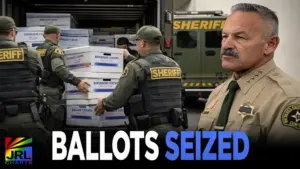
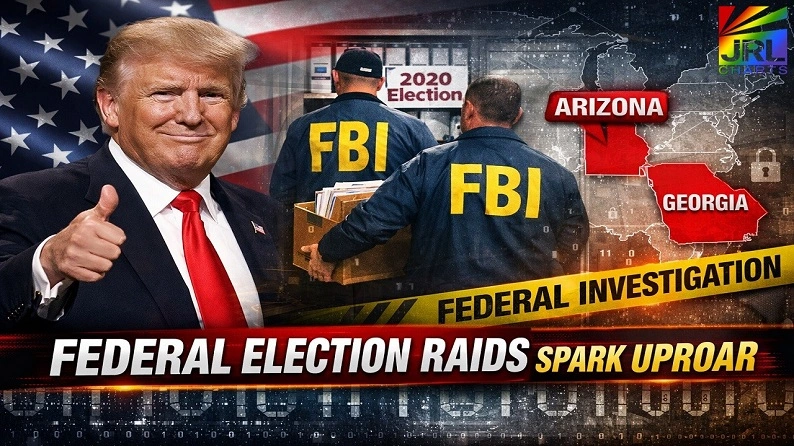
PHOENIX, AZ — (March 9, 2026) — A new federal election investigation is triggering fresh political controversy after the Federal Bureau of Investigation seized a large cache of voting records from Maricopa County, the state’s most populous county and home to more than 4 million residents.
The records were reportedly obtained through a federal grand jury subpoena and include gigabytes of electronic election data tied to the 2020 presidential election. According to sources familiar with the probe, federal investigators are reviewing ballot records, digital voting logs, and other election administration materials as part of a broader inquiry into alleged voting irregularities.
Related LGBT Politics Coverage on JRL CHARTS:
• Democrats Enter 2026 Midterms With Momentum — With LGBTQ Civil Rights Are on the Ballot
• Trump White House Blocks Terror Warnings Intelligence Report on Iran Threats
• LGBTQ Corporate Participation Plunges 65% in 2026 as DEI Retreat Reshapes Business Landscape
• Supreme Court Strikes Down Bulk of Trump Tariffs in Landmark Emergency Powers Ruling
• ICE Shooting in South Texas: U.S. Citizen Ruben Ray Martinez Killed by Federal Agents
• Get the Latest in LGBT Politics USA Exclusively on JRL CHARTS
President Donald Trump quickly reacted to the development, posting a brief message on Truth Social praising the move.
“GREAT!!!” the president wrote while sharing a report describing the seizure of the Arizona election records.
The response immediately ignited debate among voting-rights advocates and election law experts who say the federal action raises broader questions about the role of federal law enforcement in elections that are traditionally administered by the states.
Second Federal Election Records Raid
The Arizona action marks what observers say is the second known federal seizure of election-related materials during the ongoing investigation into the 2020 vote.
Earlier in the investigation, federal agents executed a similar operation in Georgia, where election-related materials were reportedly seized from a local elections office. That incident sparked a legal dispute between state officials and federal authorities, with Georgia officials arguing the records fell under the jurisdiction of the state’s election administration system.
While the circumstances of the Georgia case differed, the two incidents together have fueled debate over how far federal investigators can go when examining election systems that are largely run at the state and local level. Election law scholars say the distinction is important.
States — Not the White House — Run U.S. Elections
Under the U.S. Constitution, the administration of elections is primarily the responsibility of individual states. Article I of the Constitution grants state legislatures the authority to determine the “times, places and manner” of federal elections, while Congress retains the ability to regulate certain aspects of voting through federal law.
As a result, most election infrastructure — including ballots, voting machines, voter registration systems, and local election records — are controlled by state and county officials rather than federal authorities.
Because of that structure, federal involvement in the direct handling of election materials is relatively rare and often controversial.
Legal analysts say federal investigators can obtain records through subpoenas or court orders when investigating potential violations of federal law. However, such actions can trigger disputes over jurisdiction when they involve materials managed by state election systems.
Political Reactions Intensify
Trump’s celebratory response to the Arizona seizure quickly intensified the political debate surrounding the investigation.
Supporters of the probe argue that federal authorities have a responsibility to investigate credible allegations of election misconduct and ensure the integrity of federal elections.
Critics, however, warn that expanding federal election probes could erode the long-standing principle that states are responsible for administering elections. Some voting-rights advocates have also expressed concern that persistent claims of widespread voter fraud — which courts have repeatedly rejected in numerous cases following the 2020 election — could undermine public confidence in the electoral process.
The controversy has reignited broader debates about election security, federal oversight, and the limits of presidential influence over investigations involving state-run voting systems.
Investigation Continues
Federal officials have not publicly detailed the scope of the Arizona investigation or what specific evidence investigators are seeking in the newly obtained records.
Officials in Maricopa County have previously defended their election procedures, noting that the county’s voting system has undergone multiple audits and reviews following the 2020 election.
Whether the newly obtained data will lead to additional findings remains unclear. For now, the seizure of Arizona election records — combined with the earlier Georgia incident — is likely to keep the national spotlight on the legal and political battle over election oversight in the United States.
JRL CHARTS will continue monitoring developments surrounding election oversight, federal investigations, and the evolving political debate shaping voting policy in America.

- Supreme Court Sides with Conversion Therapy Advocate — Critics Call It a “Dark Ages” Attack on LGBTQ Minors - March 31, 2026
- AI Giants Pull Back From Adult Content Despite Industry’s Role in Tech Innovation - March 30, 2026
- Iran Responds To President Trump’s Ultimatum – By Bombing Oil Tanker - March 30, 2026
// Affiliate Disclosure: JRL CHARTS is a digital news and media platform. We do not host, stream, or sell adult content. Some outbound links may contain affiliate tracking to licensed studio-owned platforms (e.g., LatinBoyz, AEBN, BiLatin Men). These links lead to legal, age-gated distributors and are provided strictly for editorial and informational purposes only.