By: Paul Goldberg — Senior Correspondent | LGBT Politics USA
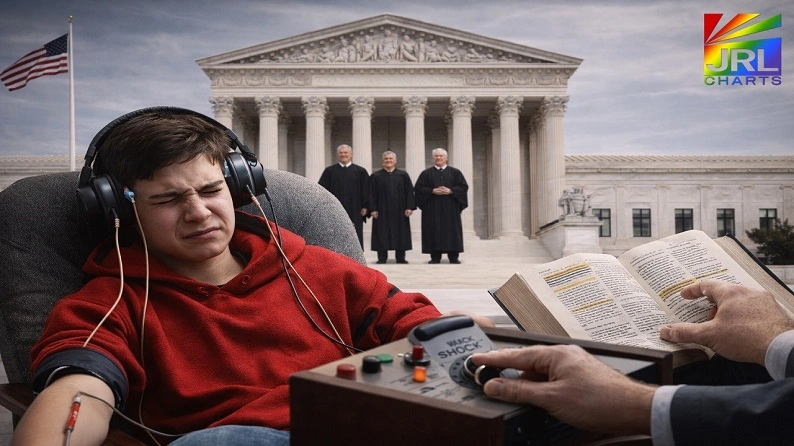
WASHINGTON, D.C. — (March 31, 2026) — In a decision sending shockwaves across the nation, the Supreme Court of the United States has ruled 8–1 against Colorado’s ban on so-called “conversion therapy” for LGBTQ minors — a practice widely discredited by the medical community and condemned by human rights advocates.
The ruling, centered on a legal challenge brought by a Christian counselor, raises profound questions about the balance between free speech, religious expression, and the protection of vulnerable youth. Critics say the decision reflects a dangerous step backward — one that opens the door to practices many experts equate with psychological harm.
Related LGBTQ Politics and Judicial News on JRL CHARTS:
• “God Made Trans People” Campaign Hits Kansas Highways as Rights Battle Intensifies
• Tennessee Republicans Advance Bill Targeting Transgender Teachers’ Honorifics
• Pennsylvania House Panel Advances Bills to Strengthen LGBTQ Protections
• Tennessee House Passes Bill to Delegitimize Same-Sex Marriage Recognition
• BREAKING NOW On LGBT Politics News USA – See What’s Trending
Court Frames Decision as Free Speech Issue
Writing for the majority, Justice Neil Gorsuch argued that Colorado’s law may violate the First Amendment by restricting speech based on viewpoint.
“The First Amendment stands as a shield against any effort to enforce orthodoxy in thought or speech,” Gorsuch wrote, framing the ban as a constitutional issue rather than a public health safeguard.
The majority opinion drew support from Justices Elena Kagan and Sonia Sotomayor, who emphasized that the state cannot selectively allow one form of therapeutic discussion while prohibiting another.
The Court did not definitively strike down the law but instead sent the case back to a lower court, applying a strict constitutional test that many legal experts say is difficult for such regulations to survive.
Dissent Warns of Dangerous Consequences
In a forceful dissent, Justice Ketanji Brown Jackson warned that the ruling could undermine states’ authority to regulate licensed professionals and protect public health.
Jackson cautioned that the decision “opens a dangerous can of worms,” potentially weakening the ability of states to enforce standards in healthcare — including mental health treatment for minors.
Her dissent underscores a growing divide within the Court over how far First Amendment protections should extend into regulated professional conduct.
Medical Consensus Remains Unchanged
Despite the Court’s decision, the scientific consensus remains clear: conversion therapy is widely regarded as harmful.
Leading medical and psychological organizations have consistently found that efforts to change a person’s sexual orientation or gender identity can lead to severe mental health consequences, including depression, anxiety, and increased risk of suicide — particularly among young people.
Colorado officials argued that their law was narrowly tailored to protect minors from these harms while still allowing open discussions about identity. The statute prohibited only attempts to “convert” LGBTQ individuals, not broader counseling or religious guidance.
LGBTQ Advocates Condemn the Ruling
LGBTQ advocacy groups and civil rights organizations swiftly condemned the decision, warning that it could weaken or invalidate similar protections in more than 20 states.
At JRL CHARTS, we view this ruling as deeply troubling. Allowing legal challenges that could reopen the door to conversion therapy — even under the banner of free speech — risks legitimizing practices that many experts and survivors describe as coercive and damaging.
For LGBTQ minors, this decision introduces new uncertainty at a time when mental health protections are more critical than ever.
Renewed Calls for Supreme Court Reform
The ruling is also reigniting debate over the future structure of the Supreme Court itself.
Critics argue that decisions like this reflect an ideological shift that places religious and speech claims above established medical science and civil rights protections. As a result, calls to expand or reform the Court are gaining renewed attention in political and legal circles.
Supporters of reform contend that ensuring balanced representation on the bench is essential to protecting vulnerable communities and preserving modern civil rights standards.
What Comes Next
The case now returns to a lower court, where Colorado must defend its law under a stricter constitutional standard. Legal experts say the outcome could determine the fate of conversion therapy bans nationwide.
In the meantime, the decision stands as a pivotal moment in the ongoing struggle between individual liberties and state efforts to protect public health — particularly when it comes to LGBTQ youth.
Stay with JRL CHARTS for fearless, fact-driven coverage of LGBTQ rights, Supreme Court rulings, and the political battles shaping equality across America.

- Supreme Court Sides with Conversion Therapy Advocate — Critics Call It a “Dark Ages” Attack on LGBTQ Minors - March 31, 2026
- AI Giants Pull Back From Adult Content Despite Industry’s Role in Tech Innovation - March 30, 2026
- Iran Responds To President Trump’s Ultimatum – By Bombing Oil Tanker - March 30, 2026
// Affiliate Disclosure: JRL CHARTS is a digital news and media platform. We do not host, stream, or sell adult content. Some outbound links may contain affiliate tracking to licensed studio-owned platforms (e.g., LatinBoyz, AEBN, BiLatin Men). These links lead to legal, age-gated distributors and are provided strictly for editorial and informational purposes only.