By: Paul Goldberg — Senior Correspondent | Ohio LGBTQ Politics News
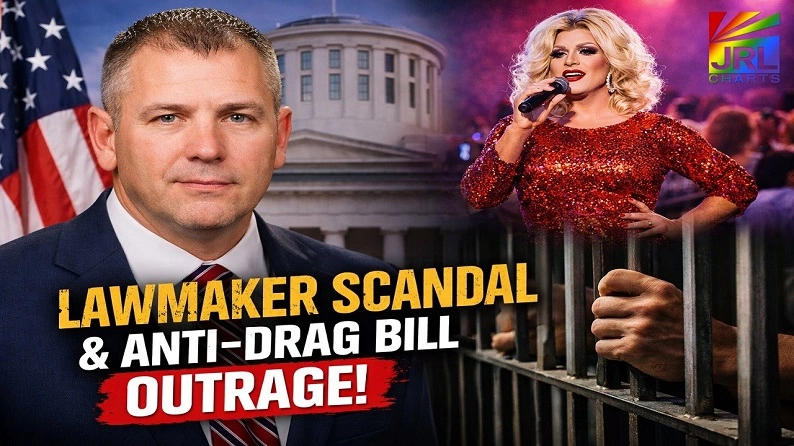
LAS VEGAS — (March 24, 2026) — A controversial Ohio bill targeting drag performers and transgender individuals is igniting national backlash, as one of its key supporters, Rodney Creech, faces scrutiny over past misconduct allegations involving a minor family member.
The proposed legislation, known as Ohio House Bill 249, would significantly expand what qualifies as “obscene conduct” in the presence of minors. Critics warn the bill could criminalize everyday expressions of identity — including performances, public appearances, and even non-sexual displays such as affection — potentially exposing individuals to felony charges.
Related LGBT Politics News Coverage on JRL CHARTS:
• California Sheriff Seizes 650,000 Ballots in Explosive Election Power Grab
• FBI Seizure of Arizona Voting Records — 2nd Election Raid Raises Alarms Over State Voting Rights
• Trump Calls Democratic Party America’s ‘Greatest Enemy’ After Declaring “Death of Iran”
• Trump Warns GOP: “Democrats Will Win Everything” Without SAVE Act Power Grab
• DEMOCRACY UNDER SIEGE: GOP Bulldozes SAVE Act that Could Erase LGBTQ & Minority Votes
• Trump’s SAVE Act Is Dead After GOP Senator Says Bill Won’t Pass
The political firestorm intensified after resurfaced allegations against Creech drew renewed attention online. According to prior reporting by Tiffinohio, the lawmaker was investigated over claims of inappropriate behavior involving a minor relative. Creech has denied the allegations, calling them politically motivated and part of what he describes as broader media attacks.
Despite the controversy, Creech has continued to support HB 249, which opponents argue is written so broadly that it could be used to shut down drag events, Pride celebrations, and LGBTQ-inclusive programming across the state.
Advocacy organizations, including Equality Ohio, warn that the bill could open the door to selective enforcement, allowing local jurisdictions to interpret gender expression itself as unlawful under certain circumstances.
“This type of legislation creates legal ambiguity that could disproportionately impact LGBTQ individuals simply for existing in public spaces,” said Equality Ohio leadership in response to the proposal.
Meanwhile, entertainer and activist Nina West has emerged as one of the most vocal critics of the bill. During testimony at the Ohio Statehouse, West defended drag as a legitimate and meaningful form of artistic expression.
“Drag is not a crime,” West stated. “It’s about creativity, community, and helping people feel seen and valued.”
West, who has worked with major mainstream brands and created family-friendly content, emphasized that drag performances often promote inclusion and self-confidence — particularly for marginalized communities.
The debate surrounding HB 249 reflects a broader national divide over LGBTQ rights, gender expression, and the role of government in regulating public culture. Supporters of the bill argue it is necessary to protect minors, while critics contend it risks targeting an entire community under vague legal definitions.
As the bill continues to move through Ohio’s legislative process, advocates on both sides are mobilizing, signaling that the outcome could have far-reaching implications beyond the state.
Stay with JRL CHARTS NETWORK‘ LGBT Politics News Division for continued coverage of LGBTQ politics, civil rights legislation, and the stories shaping equality across America.

- Ohio Lawmaker Facing Misconduct Allegations Pushes Bill to Jail Drag Queens — Hypocrisy Sparks Outrage - March 24, 2026
- California Sheriff Seizes 650,000 Ballots in Explosive Election Power Grab - March 23, 2026
- “Baghdad Bob” Moment? Trump’s Iran Claims Collapse as Tehran Denies Talks Exist - March 23, 2026
// Affiliate Disclosure: JRL CHARTS is a digital news and media platform. We do not host, stream, or sell adult content. Some outbound links may contain affiliate tracking to licensed studio-owned platforms (e.g., LatinBoyz, AEBN, BiLatin Men). These links lead to legal, age-gated distributors and are provided strictly for editorial and informational purposes only.