By: Paul Goldberg — Senior Correspondent | LGBT Business Finance News
LAS VEGAS — (March 13, 2026) — Energy markets around the world are once again on edge as crude oil prices surge above the critical $100-per-barrel threshold, reigniting fears of a global supply shock tied to escalating geopolitical tensions in the Middle East.
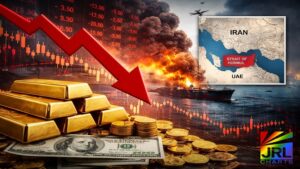
MarketWatch Analysts say the rally reflects growing concerns that shipping lanes near the Strait of Hormuz—one of the most vital arteries for global energy trade—could remain disrupted for an extended period. Nearly one-fifth of the world’s daily oil supply moves through the narrow waterway, making it one of the most strategically important energy corridors on the planet.
Related LGBT Business Finance News Coverage on JRL CHARTS:
• Iran War Sparks Global Market Freefall — Hormuz Closed, Stocks Plunge, Jobs & Bonds in Crisis
• LGBTQ Corporate Participation Plunges 65% in 2026 as DEI Retreat Reshapes Business Landscape
• US Trade Deficit Hits Five-Month High Amid Import Boom
• Supreme Court Strikes Down Bulk of Trump Tariffs in Landmark Emergency Powers Ruling
• Get the Latest in LGBT Politics USA Exclusively on JRL CHARTS
Traders across international energy markets say that while governments are attempting to calm markets through emergency measures, the fundamental issue remains unresolved: the potential loss of millions of barrels per day from global circulation.
Energy strategists note that emergency stockpile releases and temporary regulatory changes may soften short-term price spikes, but they cannot fully replace the massive volume of crude that typically moves through the Persian Gulf shipping corridor each day. The market’s underlying concern is that any prolonged disruption to shipments could tighten global supply far beyond what reserve releases can offset.
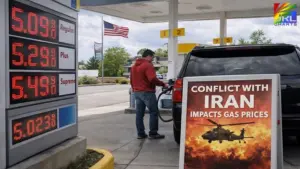
In Washington, policymakers are examining a range of options to mitigate the surge in fuel prices. Officials have discussed releasing large quantities of oil from strategic reserves and temporarily easing shipping restrictions that limit how petroleum products are transported between U.S. ports.
Those measures are designed to help stabilize domestic fuel markets and ensure refineries continue receiving adequate supplies. However, energy economists warn that these tools primarily address short-term price pressure rather than the broader structural risks facing global oil flows.
At the same time, international energy agencies have coordinated a record-scale release of emergency crude reserves in an effort to reassure markets and prevent panic buying across trading desks.
Despite these interventions, analysts say traders remain focused on the same central question: whether global shipping routes through the Persian Gulf will remain open and secure.
Until there is greater clarity on that front, many energy experts believe oil markets will continue pricing in significant geopolitical risk—keeping crude prices volatile and potentially pushing them even higher if supply disruptions worsen.
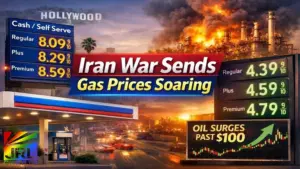
For consumers and businesses alike, the surge in crude prices could ripple across the global economy, influencing transportation costs, inflation trends, and corporate energy spending throughout the year.
For continuing coverage of global energy markets, geopolitical finance developments, and economic policy impacting international trade, stay with JRL CHARTS — LGBT Business Finance News, where breaking financial stories meet real-time market analysis.

// Affiliate Disclosure: JRL CHARTS is a digital news and media platform. We do not host, stream, or sell adult content. Some outbound links may contain affiliate tracking to licensed studio-owned platforms (e.g., LatinBoyz, AEBN, BiLatin Men). These links lead to legal, age-gated distributors and are provided strictly for editorial and informational purposes only.