By: Paul Goldberg,, Senior Editor | JRL CHARTS – LGBTQ Financial News
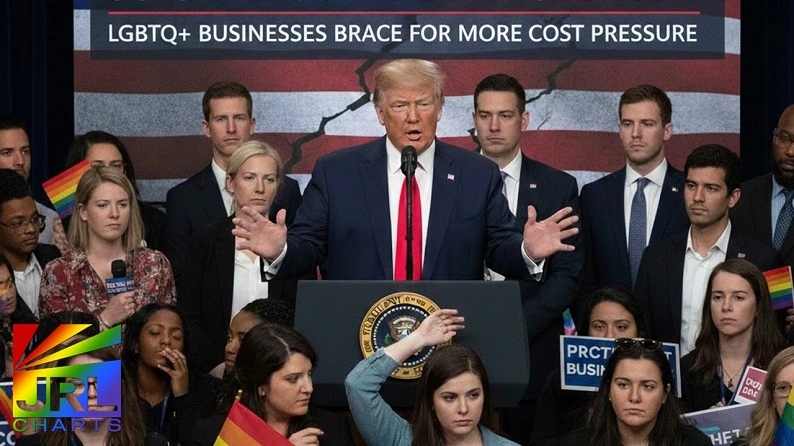
WASHINGTON D.C. — (January 15, 2026) — President Donald Trump’s administration is signaling it may pursue alternative legal avenues to keep tariffs in place even if the U.S. Supreme Court rules his current tariff strategy under the International Emergency Economic Powers Act (IEEPA) unlawful — including potentially shifting to statutory authorities like Section 301 or Section 232, or using import licensing under IEEPA.
Related LGBTQ News Coverage Links on JRL CHARTS:
• Get the Latest in LGBT Politics USA Exclusively on JRL CHARTS
• Appeals Court Blocks Ruling That Would Have Allowed Teachers to Out Trans Students Without Consent
• Democrats Enter 2026 Midterms With Momentum — But LGBTQ Civil Rights Are Now on the Ballot
• NIH Defies Court-Restored LGBTQ Grants, Confirms Funding Will End in 2026
At the same time, the White House has outlined plans to issue refunds if the tariffs are ruled illegal, a complex process that could ignite new legal disputes and prolonged uncertainty for American businesses.
These tariff uncertainties are more than an abstract legal battle. For most small businesses — including many LGBTQ-owned companies — tariffs act like a recurring cost shock, raising import expenses, compressing margins, and ultimately being passed to consumers in the form of higher prices.
A Billion-Dollar LGBTQ Economy Feeling the Squeeze
National data underscores just how significant LGBTQ-owned businesses are to the U.S. economy: there are an estimated 1.4 million LGBTQ+ business owners contributing roughly $1.7 trillion annually to the national economy, with nearly 1,000 certified LGBT Business Enterprises creating over 33,000 jobs.
Despite this impact, LGBTQ entrepreneurs often operate with tight margins and limited access to capital, making them especially vulnerable to sudden tariff-driven cost increases. Even small changes in import costs — whether through higher duties or supply chain disruptions — can push up prices for inventory, equipment, or parts that are essential to operations.
For merchants, retailers, event planners, fashion brands, and creative-service firms — many of which are LGBTQ-owned — import duties directly affect bottom lines because increased costs often cannot be absorbed without raising prices, thinning profits, or delaying business investment.
Legal Shift Could Mean More of the Same
If the Supreme Court strikes down the broad national emergency tariffs under IEEPA — a decision widely anticipated as likely given serious judicial scrutiny — Treasury officials have suggested the administration could pivot to other tariff tools. Those authorities include:
These alternatives have limitations and complexities of their own and could still expose many small importers to new or continued levies.
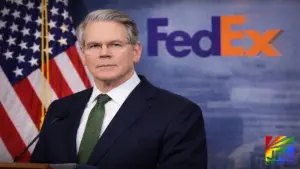
Meanwhile, if IEEPA tariffs are invalidated, the U.S. government faces the prospect of refunding more than $133 billion in duties already collected, a task openly-gay Treasury Secretary Scott Bessent has acknowledged would take months or longer, and which some importers expect could be administratively messy.
Real-World Impact on Costs and Commerce
Even before any new legal authority is adopted, tariffs already affect everyday business activities:
-
Higher import costs for inventory, parts, or raw materials
-
Tighter cash flow, as duties are due upon import before revenue comes in
-
Pricing uncertainty, complicating budgeting and investment decisions
-
Consumer drag, as increased retail prices can suppress demand
For LGBTQ-owned firms — particularly those dependent on imported goods or specialized supplies — these effects can stall growth, shrink margins, and reduce operational resilience.
What LGBTQ Businesses Are Watching
The ongoing Supreme Court case over Trump’s tariff authority is one of several economic-policy decisions with direct commercial consequences, especially for small enterprises trying to manage tight financial conditions and volatile input costs.
Even as the court considers IEEPA’s legality — with a ruling expected soon — businesses worry that any subsequent authority used to replace it may replicate similar uncertainty, undermining planning and eroding confidence.
For the LGBTQ business community, the worry isn’t theoretical — it’s a question of whether tariffs will remain a recurring cost burden that stunts competitiveness or whether a stable, predictable trade policy can emerge that better supports small business growth and economic inclusion.
SOURCES (Footnoted)
-
Reuters: Importers brace for tariff refund fight if Supreme Court rules against Trump, noting possible switch to other tariff authorities.
-
UtilityDive: Government clarifies that tariff refunds under IEEPA would be available if high court rules duties illegal.
-
NGLCC economic report: LGBTQ-owned businesses contribute $1.7 trillion, with nearly 1,000 certified suppliers and 33,000 jobs created.
-
Forbes: Estimated 1.4M LGBTQ business owners contribute $1.7T to U.S. economy.
-
MainStreet.org: LGBTQ entrepreneurs face capital access gaps and other business constraints.
-
Reuters: Treasury says it can cover potential $150B in tariff refunds, but process could take months.
-
Reuters: Trump tariff refunds at risk could exceed $133.5B if high court rules against tariffs.
-
Reuters: Supreme Court still weighing Trump tariff legality among other major rulings.
For more reporting on how federal policy and trade decisions impact LGBTQ-owned businesses and commerce, follow JRL CHARTS LGBT Politics & Commerce.

- Bombshell Report: Trump Jokes About Mass Pardons for Staff Near Oval Office - April 10, 2026
- UK Military Veterans Launch Legal Fight Over LGBT Compensation Scheme - April 10, 2026
- Republicans Escalate Anti-Trans Push as 2026 Midterms Take Shape - April 8, 2026
// Affiliate Disclosure: JRL CHARTS is a digital news and media platform. We do not host, stream, or sell adult content. Some outbound links may contain affiliate tracking to licensed studio-owned platforms (e.g., LatinBoyz, AEBN, BiLatin Men). These links lead to legal, age-gated distributors and are provided strictly for editorial and informational purposes only.